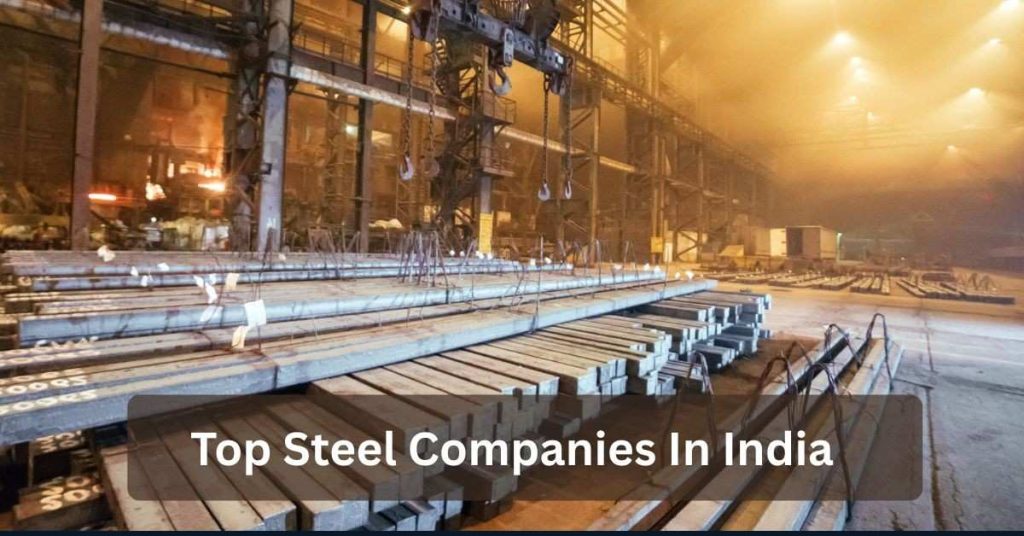

JSW Steel, Tata Steel, Jindal Steel & Power, Jindal Stainless, and SAIL are India’s biggest steel companies. India made 40.123 million tonnes of crude steel in the first three months of 2025. This was 6.8% more than the same time last year.
India makes about 8.6% of all steel in the world. But Indian steel companies face a big problem. Also, the cheap steel from China, Vietnam, and South Korea is flooding the market.
This article shows you the top 10 steel companies, their size, what they make, and what’s coming next.
India’s Steel Industry Overview
India can now make 200.33 million tonnes of steel per year. Right now, factories are making 152.18 million tonnes. The government wants this to reach 300 million tonnes by 2030.
Why is steel production growing? Because India is building more roads, bridges, and buildings. But there’s a problem. Foreign countries are sending cheap steel to India.
This makes it hard for Indian companies to compete. Chinese, Vietnamese, and South Korean steel costs less, even though quality may be lower. This hurts Indian steel makers badly.
Top 10 Steel Companies In India By Market Cap and Capacity (2025)
Here are India’s biggest steel companies ranked by how much they’re worth and how much steel they can make each year.
| Rank | Company | Market Cap (₹ Cr) | Capacity (MTPA) | Key Products |
|---|---|---|---|---|
| 1 | JSW Steel | 2,81,471.75 | 35.7 | Flat steel, HR/CR coils |
| 2 | Tata Steel | 2,21,807.31 | 21.75 | Diversified steel products |
| 3 | Jindal Steel & Power | 1,04,854.86 | 29.2 | Rails, Structural steel |
| 4 | Jindal Stainless (JSL) | 65,986.54 | 27.79 | Stainless steel flat products |
| 5 | SAIL | 53,700.96 | 20.63 | Long steel, Infrastructure |
| 6 | APL Apollo Tubes | 49,144.35 | 4.3 | ERW tubes, Structural pipes |
| 7 | AM/NS India | N/A (Private JV) | 9.6 | Flat products, Auto-grade |
| 8 | RINL (Vizag Steel) | N/A (Govt) | 7.3 | Long steel, Wire rods |
| 9 | Tata Steel BSL | N/A | 5.2 | Auto-grade, Cold-rolled |
| 10 | JSW Ispat (BPSL) | N/A (Subsidiary) | 4.5 | Integrated steel products |
The top three companies control more than 60% of the market value. But when you look at how much steel they can make, the picture is different.
1. JSW Steel – India’s Market Cap Leader
| Category | Details |
|---|---|
| Top Products | Hot-rolled coils, Cold-rolled coils, Galvanized sheets, Tin plates, Pre-painted steel |
| Location of Steel Plants | Vijayanagar (Karnataka), Dolvi (Maharashtra), Salem (Tamil Nadu), Vasind (Maharashtra) |
| Technology Used | Blast furnace, Direct reduced iron, Electric arc furnace |
JSW Steel is worth ₹2.81 lakh crore. This makes it India’s most valuable steel company. It can make 35.7 million tonnes of steel every year. The company owns India’s biggest steel plant in Vijayanagar.
It makes 13 million tonnes per year at this one location. JSW Steel makes more money per tonne than most other companies.
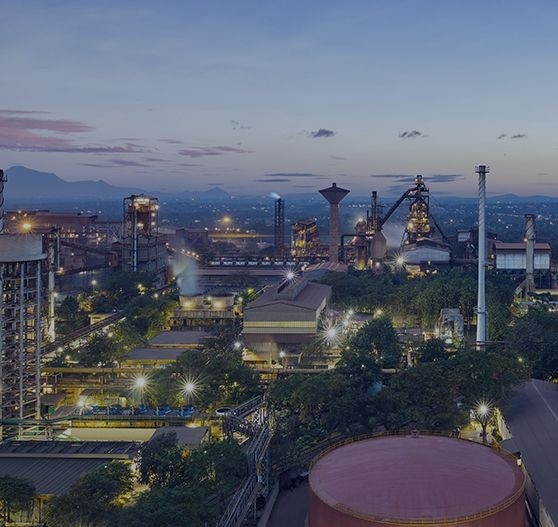
Car companies like Maruti Suzuki, Hyundai, and Tata Motors buy steel from JSW. Construction companies use JSW steel to build metro trains in Delhi, Mumbai, and Bangalore. The company also supplies steel for roads and bridges across India.
2. Tata Steel – Diversified Product Portfolio
| Category | Details |
|---|---|
| Top Products | Wire rods, Long products, Tubes, Construction steel, Automotive steel, Special alloys |
| Location of Steel Plants | Jamshedpur (Jharkhand), Kalinganagar (Odisha), Gamharia (Jharkhand), Ludhiana (Punjab) |
| Technology Used | Blast furnace, Continuous casting, Cold rolling mills, Coating lines |
Tata Steel is worth ₹2.22 lakh crore. It can make 21.75 million tonnes of steel per year. Tata Steel started making steel in India in 1907. It’s the oldest steel company here.
The company makes many different types of steel. It owns iron ore mines, so it controls costs better than smaller companies.
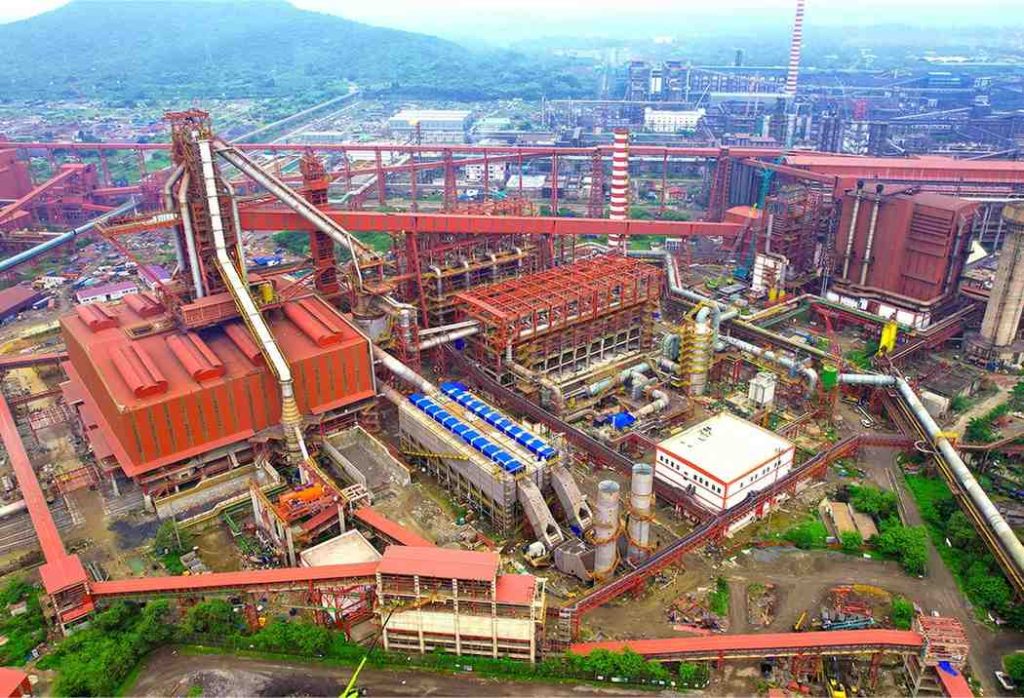
Builders use Tata Steel bars to make houses and offices stronger. Tire companies like MRF and Apollo buy wire from Tata Steel. Car makers get special steel from Tata for car bodies. Oil and gas companies use Tata Steel pipes for their projects.
3. Jindal Steel & Power – Infrastructure Specialist
| Category | Details |
|---|---|
| Top Products | Railway rails, Heavy structural sections, Plates, Angles, Channels, Beams |
| Location of Steel Plants | Raigarh (Chhattisgarh), Angul (Odisha), Patratu (Jharkhand) |
| Technology Used | Coal-based DRI, Electric arc furnace, Rolling mills |
Jindal Steel & Power is worth ₹1.05 lakh crore. It can make 29.2 million tonnes per year. JSPL makes 60% of all railway rails in India.
It also makes heavy steel for bridges and power plants. The company owns coal mines and power plants, which helps keep costs low.
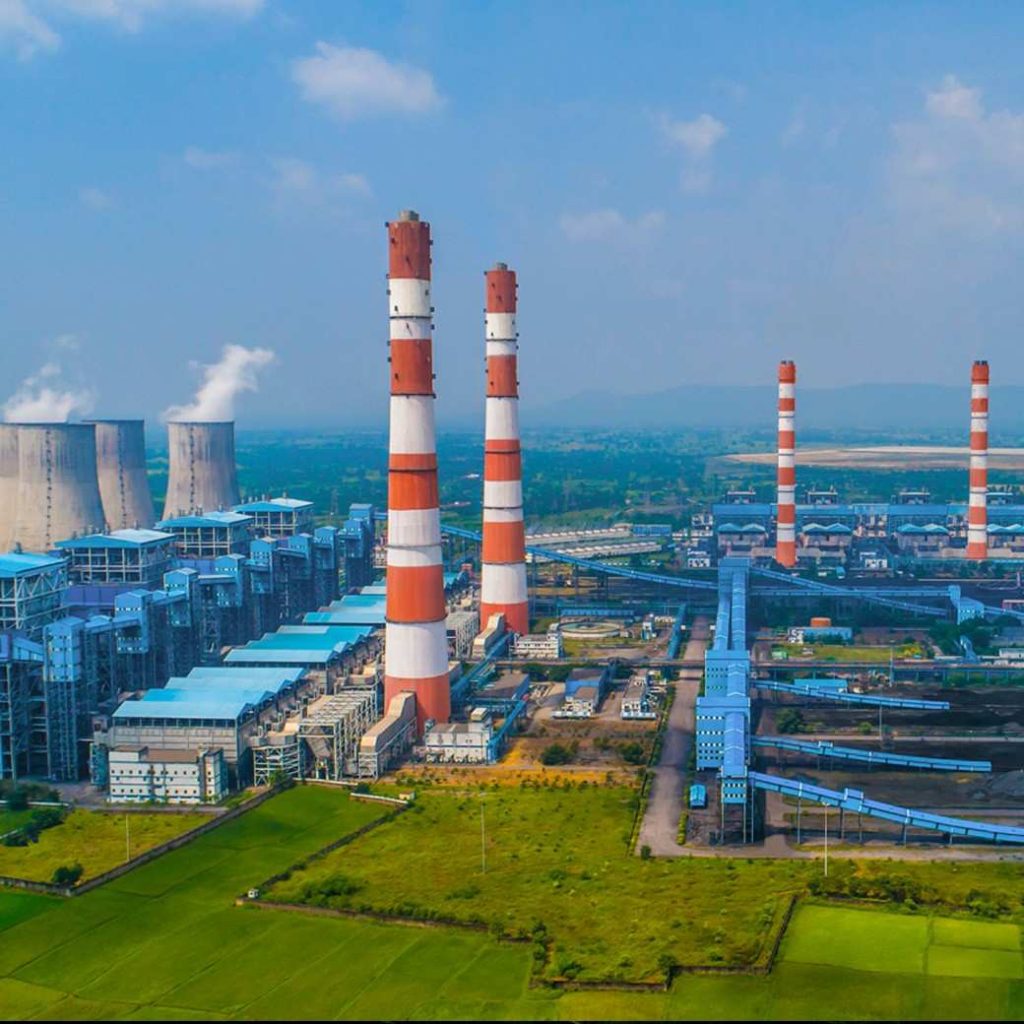
Indian Railways buys most of its rails from JSPL. Power companies use JSPL steel to build new plants. Ports and industrial factories need heavy steel from JSPL. Shipyards also buy steel plates from this company.
4. Jindal Stainless (JSL) – Specialty Steel Leader
| Category | Details |
|---|---|
| Top Products | Stainless steel sheets, Coils, Plates, Circles, Precision strips |
| Location of Steel Plants | Hisar (Haryana), Jajpur (Odisha) |
| Technology Used | Argon oxygen decarburization, Electric arc furnace, Cold rolling, Bright annealing |
Jindal Stainless is worth ₹65,986.54 crore. It can make 27.79 million tonnes per year. JSL controls 60% of India’s stainless steel market.
It sells stainless steel to 75 countries. The company owns chromium ore mines, which other companies don’t have.
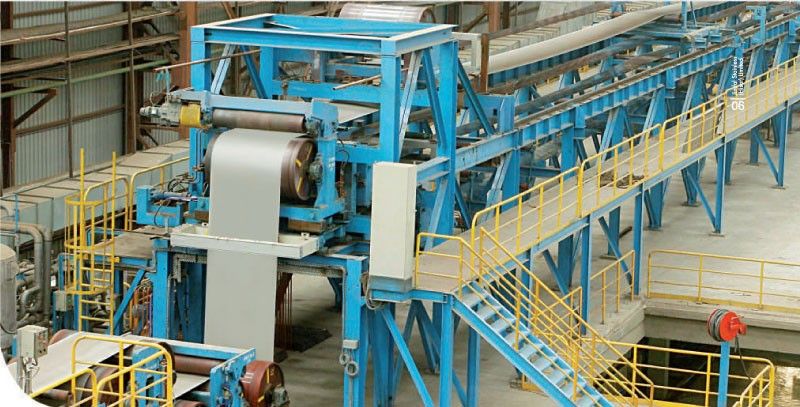
Kitchen equipment makers buy stainless steel from JSL. Buildings use it for shiny facades. Car companies need it for exhaust pipes. Pharmaceutical companies use JSL steel for medicine-making equipment. Dairy factories use it for milk storage tanks.
5. SAIL – Government-Backed Infrastructure Supplier
| Category | Details |
|---|---|
| Top Products | TMT bars, Structural steel, Railway materials, Plates, Sheets |
| Location of Steel Plants | Bhilai (Chhattisgarh), Bokaro (Jharkhand), Rourkela (Odisha), Durgapur (West Bengal), Burnpur (West Bengal) |
| Technology Used | Blast furnace, Secondary steelmaking, Continuous casting |
SAIL is worth ₹53,700.96 crore. It can make 20.63 million tonnes per year. The government owns SAIL. It has five big steel plants across India. These plants are old and need upgrades. But SAIL gets priority for government projects.
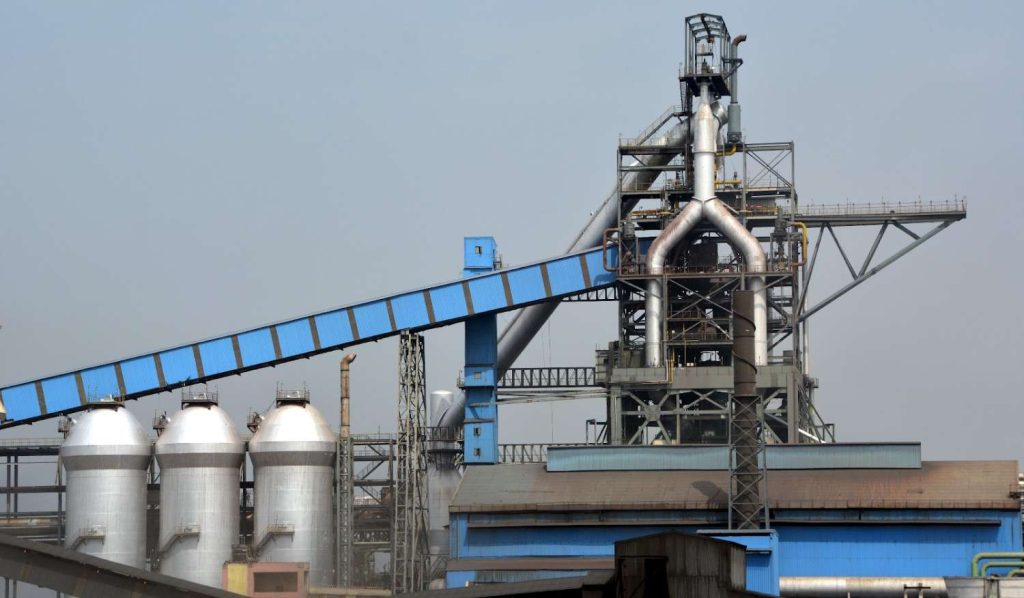
Government housing projects use SAIL steel bars. Bridge builders buy structural steel from SAIL. Indian Railways gets rails, wheels, and axles from SAIL. Defense projects and government shipyards also buy from SAIL.
6. APL Apollo Tubes – Value-Added Steel Products
| Category | Details |
|---|---|
| Top Products | ERW steel tubes, Hollow sections, Pre-galvanized tubes, Color-coated tubes, Apollo Z sections |
| Location of Steel Plants | Sikandrabad (UP), Raipur (Chhattisgarh), Bangalore (Karnataka), Hosur (Tamil Nadu), Mumbai (Maharashtra) |
| Technology Used | High-frequency ERW technology, Galvanizing lines, and Inline production |
APL Apollo Tubes is worth ₹49,144.35 crore. It can make 4.3 million tonnes per year. APL Apollo controls 60% of the branded steel tubes market. The company has 800 dealers across India. This is more than any other steel tube company.
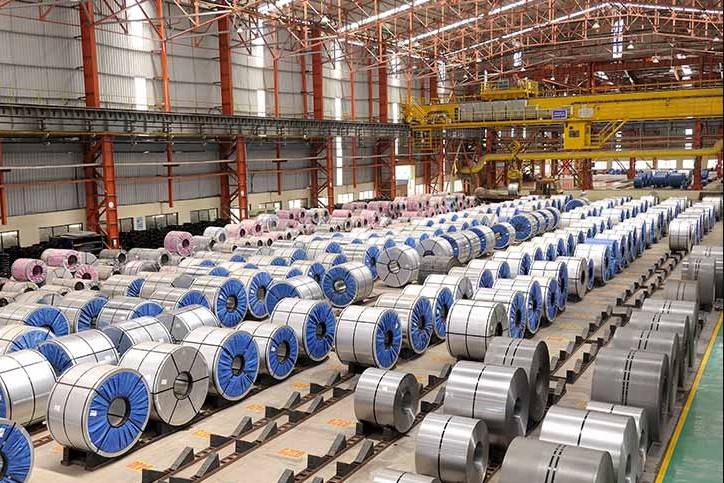
Construction companies use APL Apollo tubes to build warehouses and commercial buildings. Furniture makers buy tubes from APL Apollo. Agricultural equipment manufacturers also use these tubes.
The company’s tubes are lighter but stronger than traditional steel.
7. AM/NS India – Auto-Grade Steel Specialist
| Category | Details |
|---|---|
| Top Products | Hot-rolled coils, Cold-rolled coils, Galvanized steel, Advanced high-strength steel |
| Location of Steel Plants | Hazira (Gujarat) |
| Technology Used | Blast furnace, Continuous galvanizing lines, Advanced coating technology |
AM/NS India can make 9.6 million tonnes per year. It’s a partnership between ArcelorMittal (Europe) and Nippon Steel (Japan).
The company is private, so it doesn’t share its market value. It brings Japanese quality and European technology to India.
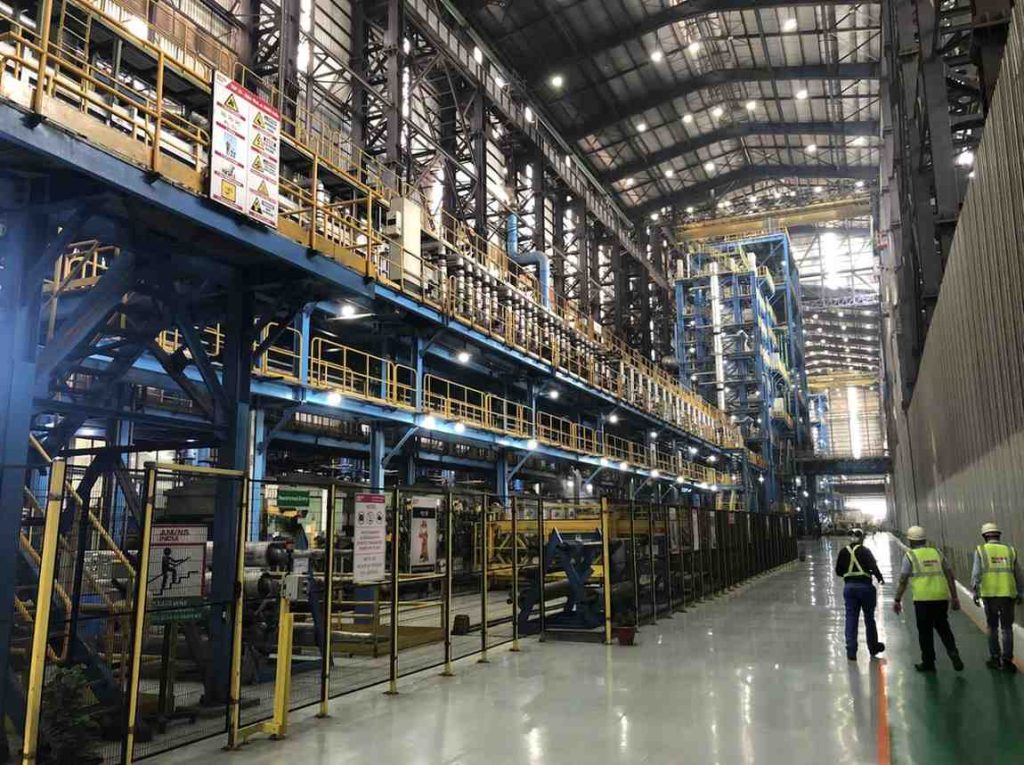
AM/NS India makes special, strong steel for cars. This steel is lighter, which helps cars use less fuel. Maruti Suzuki, Hyundai, and Mahindra buy from AM/NS. Refrigerator and washing machine makers also use this steel.
8. RINL (Vizag Steel) – Public Sector Producer
| Category | Details |
|---|---|
| Top Products | Long steel products, Wire rods, TMT bars, Structural steel, Plates |
| Location of Steel Plants | Visakhapatnam (Andhra Pradesh) |
| Technology Used | Blast furnace, Continuous casting, Hot rolling mills |
RINL can make 7.3 million tonnes per year. The government owns this company. RINL was India’s first steel plant built on the coast.
This helps because it can easily bring in coal from other countries. The government may sell this company to private owners soon.
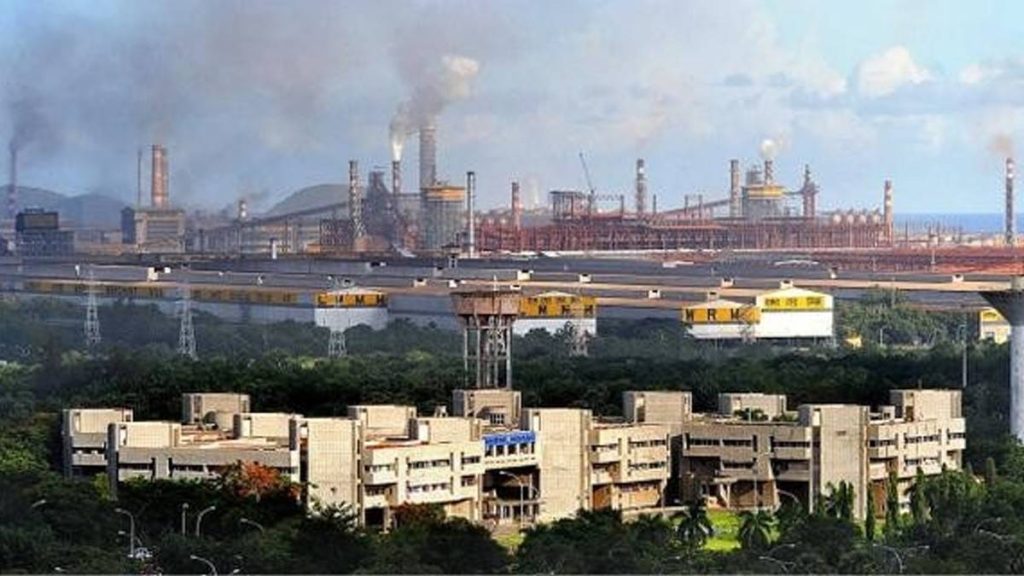
Construction companies buy TMT bars from RINL. Tire makers and welding companies use RINL wire rods. Defense projects and shipyards buy steel plates from RINL. Railway wagon makers also use RINL steel.
9. Tata Steel BSL – Automotive Steel Focus
| Category | Details |
|---|---|
| Top Products | Cold-rolled steel, Galvanized steel, Pre-coated steel, Automotive-grade steel |
| Location of Steel Plants | Bhushan (Odisha) |
| Technology Used | Blast furnace, Cold rolling mills, Coating lines |
Tata Steel BSL can make 5.2 million tonnes per year. Tata Steel bought this company in 2018. It was called Bhushan Steel before. The plant makes flat steel products for cars and home appliances. This plant has modern equipment.
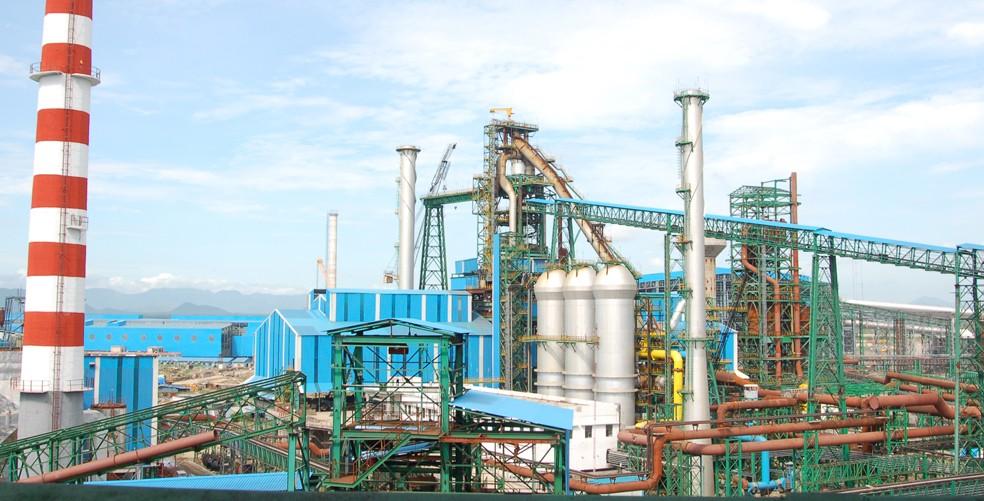
Car part makers buy cold-rolled steel from BSL. Companies like LG and Samsung use BSL steel for refrigerators and washing machines. Builders also use coated steel from BSL for roofs and walls.
10. JSW Ispat (BPSL) – Integrated Steel Products
| Category | Details |
|---|---|
| Top Products | Hot-rolled coils, Wire rods, TMT bars, Structural steel |
| Location of Steel Plants | Dolvi (Maharashtra) |
| Technology Used | Blast furnace, Continuous casting, Rolling mills |
JSW Ispat can make 4.5 million tonnes per year. JSW Steel owns this company. JSW bought it in 2019. The plant is on the coast in Maharashtra. This makes it easy to import raw materials and export steel.
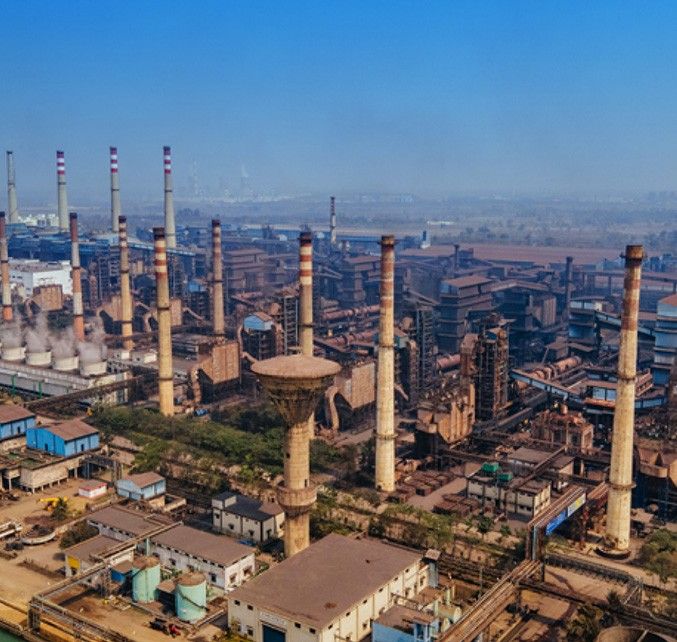
The plant makes hot-rolled coils that other companies process further. It makes wire rods for construction. Builders in Maharashtra buy TMT bars from JSW Ispat. The location helps serve western India’s growing construction market.
How We Ranked Steel Companies In India?
We ranked these companies using two numbers: market cap and production capacity. Market cap shows how much investors trust the company. Capacity shows how much steel the company can make.
Listed companies appear first by market cap. Private and government companies appear next by capacity. This helps investors see which companies are financially strong. It helps buyers see which companies can supply large orders.
Future Outlook Of The Top Steel Companies In India: Green Steel & Capacity Expansion
Indian steel companies are changing how they make steel. They’re investing in green hydrogen technology. This will reduce pollution. They’re also adding renewable energy to their plants.
The government wants India to make 300 million tonnes of steel by 2030-31. Per person steel use should jump from 97.7 kg to 158 kg. This needs ₹10 lakh crore investment. Companies must upgrade technology to meet these goals.
Related Reads:
Conclusion: SAIL Is The Biggest Stell Company In India
JSW Steel, Tata Steel, Jindal Steel & Power, Jindal Stainless, and SAIL lead India’s steel industry. They control everything from raw materials to finished products. Car makers, builders, and infrastructure projects depend on them.
The future depends on three things: adopting green steel technology, expanding capacity successfully, and getting government protection from imports.
If you’re investing or buying steel, watch capacity use rates, green steel investments, and export strength. Check these companies’ quarterly results, expansion plans, and green initiatives before you decide.
FAQs
JSW Steel is India’s number one steel company with a market value of ₹2,81,471.75 crore and capacity to make 35.7 million tonnes yearly, making it the largest by both measures.
JSW Steel is bigger with a ₹2.81 lakh crore market cap and 35.7 MTPA capacity, while Tata Steel has a ₹2.22 lakh crore market cap and 21.75 MTPA capacity.
The Sajjan Jindal family controls JSW Steel through JSW Group, but it’s a public company, so anyone can buy shares on the stock market through BSE or NSE.
JSW Steel (₹2.81 lakh crore) and Tata Steel (₹2.22 lakh crore) are the biggest options, while APL Apollo Tubes (₹49,144.35 crore) offers growth potential for smaller investments.
JSW Steel is the “king of steel” with ₹2,81,471.75 crore market value and 35.7 MTPA capacity, followed by Tata Steel at ₹2,21,807.31 crore, making them India’s top two.
Tata Steel’s main companies are Tata Steel BSL, Tata Steel Long Products, Tata Metaliks, Tinplate Company of India, Tata Steel Mining, Indian Steel & Wire Products, and Tata Sponge Iron.