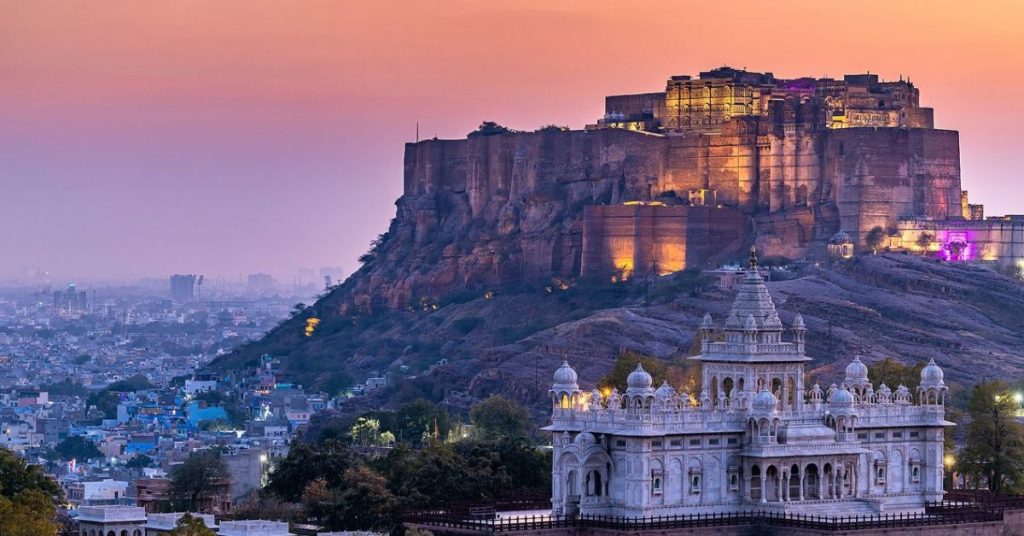

Rajasthan is the largest state of India by area, covering 342,239 square kilometers. It is known for its deserts, historic forts, and rich cultural heritage, and it covers more than 10% of India’s total land area.
Moreover, Uttar Pradesh is the largest state in India by population. In this article, we will talk about the largest states in India, their area, and why they are important in detail. We will also explain the largest states of India by population.
List Of The 10 Largest States In India By Area
Here are India’s ten largest states ranked by their total geographical area. This data is based on the official government site of all the ranked states.
| Rank | State | Area (km²) |
|---|---|---|
| 1 | Rajasthan | 342,239 |
| 2 | Madhya Pradesh | 308,245 |
| 3 | Maharashtra | 307,713 |
| 4 | Uttar Pradesh | 243,286 |
| 5 | Gujarat | 196,024 |
| 6 | Karnataka | 191,791 |
| 7 | Andhra Pradesh | 162,975 |
| 8 | Odisha | 155,707 |
| 9 | Chhattisgarh | 135,190 |
| 10 | Tamil Nadu | 130,058 |
These states show India’s amazing diversity, from Rajasthan’s golden sands to Tamil Nadu’s tropical coasts. Let’s explore each state in detail.
1. Rajasthan
Rajasthan is India’s largest state by area, covering 342,239 km². This state capital is Jaipur, and it’s famous for the Desert, forts, palaces, and rich cultural heritage, which attracts a lot of tourists from around the world.
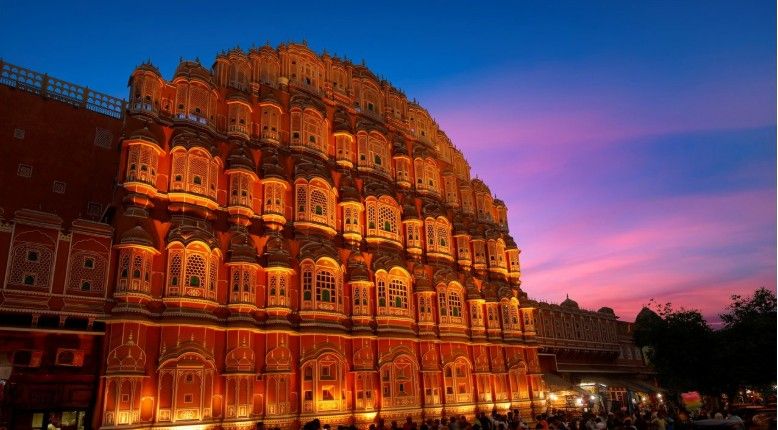
The vast land area of Rajasthan includes deserts, hills, and plateaus, making it the largest state. Its size affects population distribution, agriculture, and natural resources, making Rajasthan important for both economy and regional development.
2. Madhya Pradesh
Madhya Pradesh, with Bhopal as its capital, is also one of India’s largest states by area. It is famous for its dense forests, national parks, ancient temples, and rich tribal and cultural heritage.
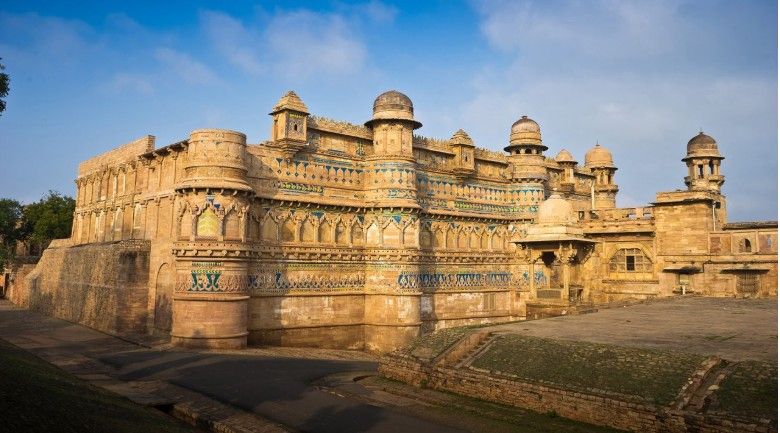
It is not just large by size, but also due to its abundance of natural resources, fertile land for agriculture, and extensive mineral deposits. Its central location in India makes it a key hub for trade, transportation, and regional development, influencing population distribution and economic activities across the state.
3. Maharashtra
Maharashtra is known for its cities, cultural festivals, historic forts, and nature, which attract business, tourism, and cultural attention. The state features coastal plains, the Western Ghats, and fertile lands, giving it a diverse geography.
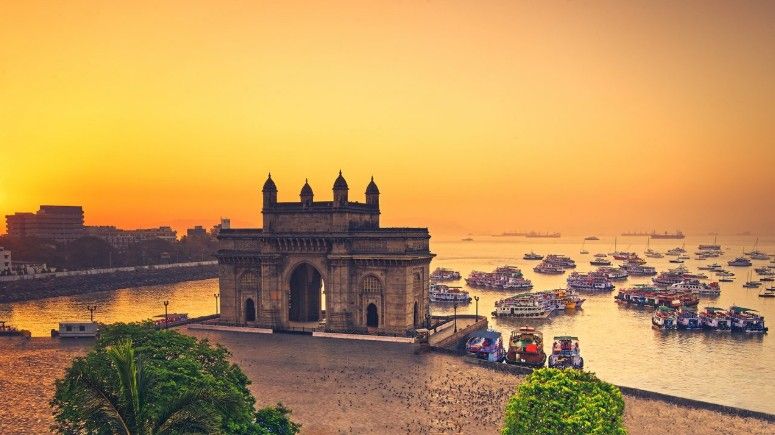
It also signifies its economic and industrial strength with major financial centers, ports, and agricultural hubs. Its combination of urban development, natural resources, and strategic location makes it essential for both population settlement and regional growth.
4. Uttar Pradesh
Uttar Pradesh is one of the most popular states in northern India, with Lucknow as its capital. It is known for its historical monuments, religious sites like Varanasi and Mathura, fertile plains, and rich cultural traditions.
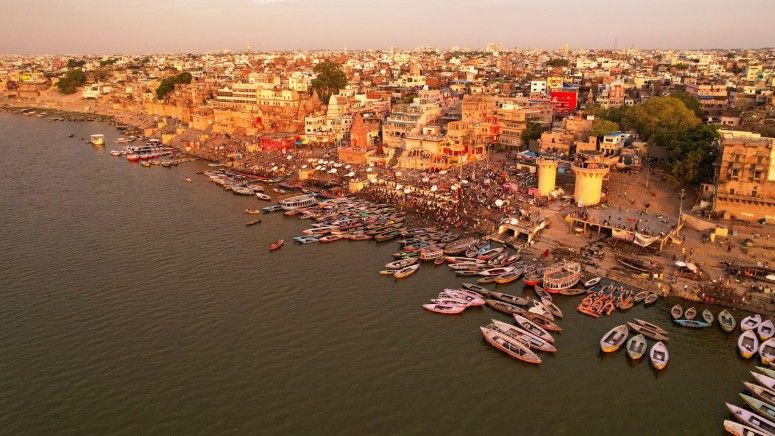
The state’s large population, agricultural lands, and diverse industries make it significant for India’s economy. The Taj Mahal in Agra remains India’s most famous tourist attraction globally.
5. Gujarat
Gujarat is home to the ancient city of Dwarka, the Gir National Park, and the white salt desert of Rann of Kutch. The state also has a strong tradition of handicrafts, folk dance, and festivals like Navratri. The capital city of Gujarat is Gandhinagar.
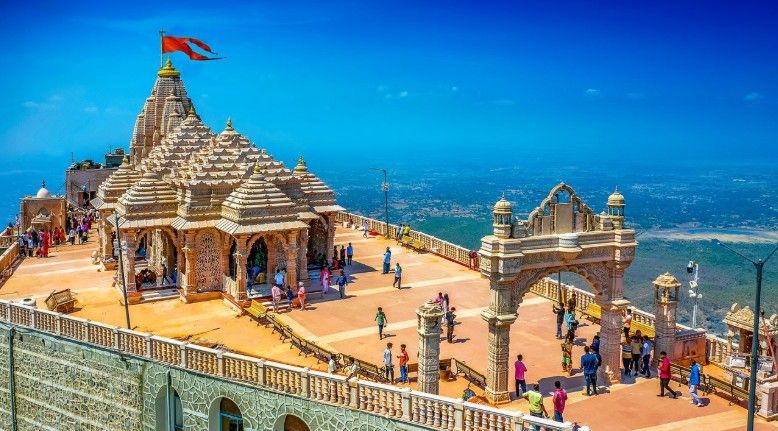
Gujarat plays a crucial role in India’s economy due to its industries, especially textiles, diamond processing, and chemicals. Ahmedabad and Surat are major commercial centers of India’s textile industry. Its long coastline with major ports such as Kandla and Mundra also enhances trade.
6. Karnataka
Located in southern India, Karnataka is known for its Western Ghats, coffee plantations in Coorg, the historic temples of Hampi, and cultural celebrations like Mysuru Dasara. Its capital city, Bengaluru, is famous for the IT industry.
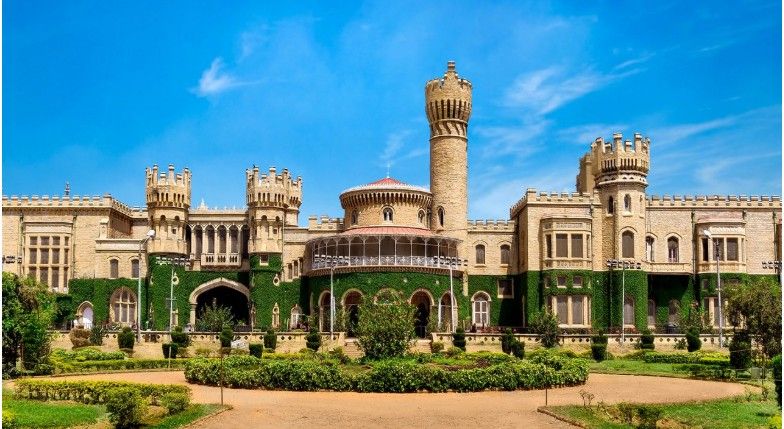
The state has both modern industries and farming, technology and IT, while rural areas grow coffee, silk, and spices. Rivers, dams, and forests support agriculture and tourism, making Karnataka important for India’s economy and culture.
7. Andhra Pradesh
Andhra Pradesh, in southeastern India, is known for its long coastline along the Bay of Bengal and fertile river plains. It is famous for temples like Tirupati and Amaravati, traditional dance forms, colorful festivals, and rich handicrafts.
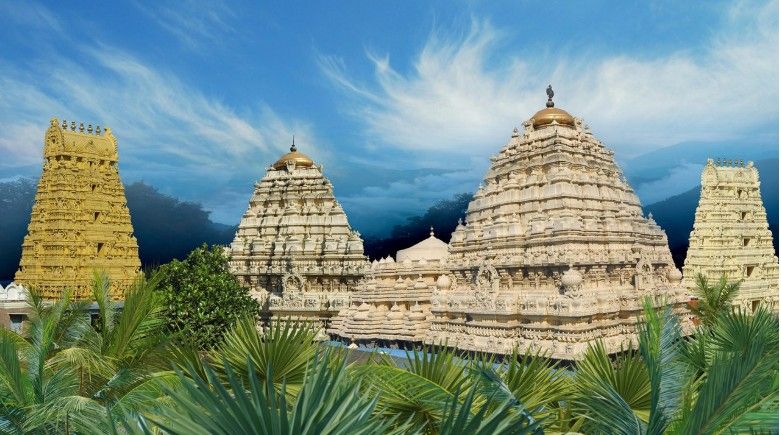
Agriculture is a major part of the economy, with rice, sugarcane, and other crops widely grown in AP. The state also has growing industries such as aquaculture, textiles, and IT. Its resources make Andhra Pradesh important for trade, economy, and overall regional development.
8. Odisha
Odisha, on India’s eastern coast, has a scenic coastline, dense forests, and the famous Jagannath Temple in Puri. The state has a rich tribal heritage, vibrant art, and colorful festivals with Bhubaneswar as its capital.
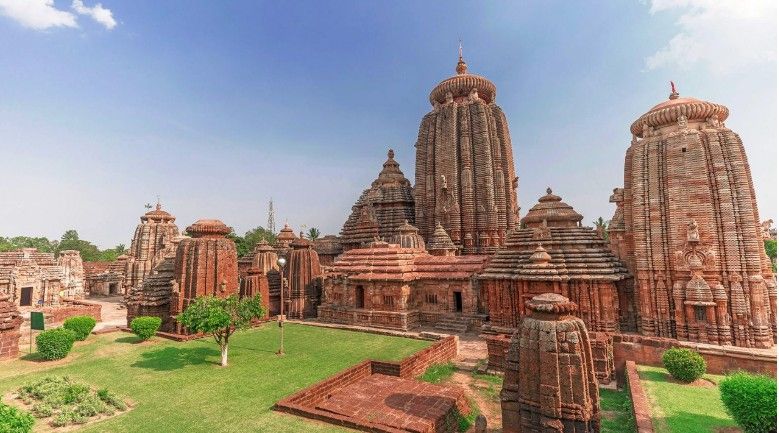
The economy of Odisha is supported by agriculture, mining, and industry. Rice farming is widespread there, and the state is rich in minerals like iron, coal, and bauxite. Its resources, culture, and industries make Odisha important for India.
9. Chhattisgarh
Chhattisgarh, with Raipur as its capital, is a state in central India known for its forests, waterfalls, and tribal culture. The state also has many historic places and wildlife areas that attract tourists.
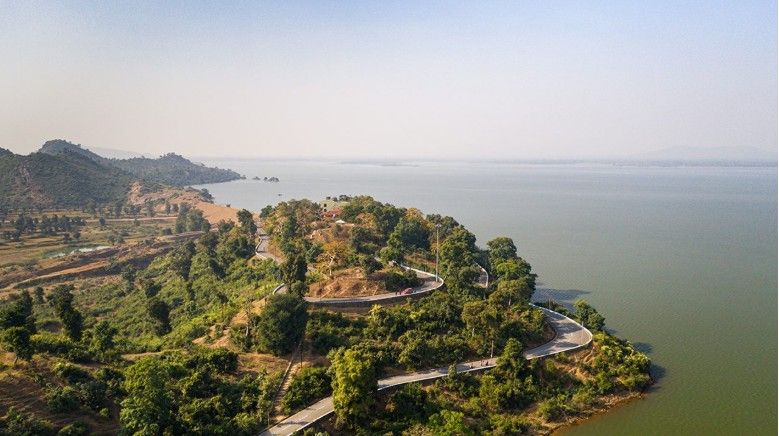
Rice is the main crop in Chhattisgarh, and the state has rich mineral resources like coal, iron, and bauxite. Its rivers, forests, and resources make Chhattisgarh essential for trade, energy, and development.
10. Tamil Nadu
Tamil Nadu, in southern India, is known for its long coastline, hill stations, and historic temples like Meenakshi Temple in Madurai. The state is famous for its classical music, dance, and rich cultural heritage, and it has a capital city of Chennai.
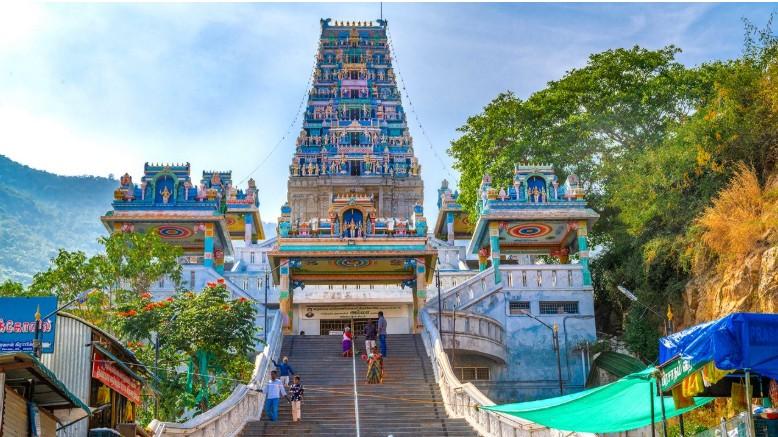
Agriculture, industries, and IT contribute most to its economy in Tamil Nadu. Rice, sugarcane, and other crops are widely grown, while cities like Chennai are major industrial and technology centers.
Top 10 Largest States In India By Population
Population distribution across Indian states also varies with their geographical size. Here are the largest states in India by population. These data are from the 2011 Census.
| Rank | State | Population |
|---|---|---|
| 1 | Uttar Pradesh | 199,812,341 |
| 2 | Maharashtra | 112,374,333 |
| 3 | Bihar | 104,099,452 |
| 4 | West Bengal | 91,276,115 |
| 5 | Andhra Pradesh | 84,580,777 |
| 6 | Madhya Pradesh | 72,626,809 |
| 7 | Tamil Nadu | 72,147,030 |
| 8 | Rajasthan | 68,548,437 |
| 9 | Karnataka | 61,095,297 |
| 10 | Gujarat | 60,439,692 |
Source: Data Commons
The population in India is spread unevenly. States like Uttar Pradesh and Maharashtra have more people, maybe because of fertile land, big cities, trade, and rich culture.
1. Uttar Pradesh
Uttar Pradesh has fertile plains along the Ganges, a long agricultural history, and many cities with trade, education, and cultural hubs. Its economy, jobs, and religious significance attract large populations, making it the state with the largest population in India.
2. Maharashtra
Maharashtra has major cities like Mumbai and Pune, strong industries, and trade centers. Economic opportunities, urbanization, and cultural attractions draw people from across India, leading to high population and diverse communities.
3. Bihar
Bihar is densely populated because of its land, river plains, and agriculture. Many people live in villages and towns, while the historical and cultural significance attracts residents and supports local trade.
4. West Bengal
West Bengal has a high population due to its dense urban settings, busy ports, growing industries, educational institutions, and rich cultural life. Its connectivity and opportunities attract people from across India.
5. Andhra Pradesh
Andhra Pradesh has a high population because of its expanding cities, job opportunities in industries and IT, major ports supporting trade, educational institutions, and well-connected transportation networks, attracting people to urban and semi-urban areas.
6. Madhya Pradesh
Madhya Pradesh is located in central India, connecting the north and south regions, and has a large population. Cities like Indore and Bhopal attract people for jobs, education, and business. The state’s forests, rivers, and cultural heritage also support settlements and growth.
7. Tamil Nadu
Tamil Nadu has growing industrial zones, IT hubs, and commercial centers. Coastal trade, educational institutions, and healthcare facilities attract residents. Culture, festivals, and historic places also attract people to settle there.
8. Rajasthan
In Rajasthan, people work in tourism, handicrafts, trade, government services, agriculture in fertile areas, and small industries, making it a state with a large population. Cities like Jaipur, Udaipur, and Jodhpur also provide jobs in business, education, and hospitality.
9. Karnataka
Karnataka has a large population because many people move to cities like Bengaluru and Mysuru for IT, education, and business opportunities. Agriculture, industries, and tourism also provide jobs. Rivers, forests, and trade centers support settlements across the state.
10. Gujarat
Gujarat attracts many people due to its industries, ports, and business hubs in cities like Ahmedabad and Surat. Trade, manufacturing, and job opportunities support population growth, while educational institutions, infrastructure development, and cultural events attract people to live in urban and semi-urban areas.
Conclusion: Rajasthan Is The Largest State In India By Area
India’s states vary greatly in size and population. Rajasthan is the largest by area, while Uttar Pradesh has the highest population. Geography, resources, and urban development influence how people settle and live.
Each state has a unique culture, economy, and natural resources supporting its growth. The population is increasing in these states due to job opportunities, development, better education, and improved infrastructure that attract people from other regions.
Explore these states, their history, cities, and culture to learn how geography and human activity shape life. Start your journey by studying or visiting the largest states, like Rajasthan.
FAQs
Rajasthan is the biggest state in India by area, covering 342,239 square kilometers or about 10.4% of India’s total land area.
Mumbai is India’s biggest city by population, with over 20 million people in its metropolitan area, making it one of the world’s largest urban agglomerations.
Maharashtra is considered India’s richest state, contributing about 15% to the country’s GDP through industries, services, and agriculture.
Kutch district in Gujarat is India’s largest district by area, covering 45,652 square kilometers, which is larger than many Indian states.
Bihar is often considered among India’s poorest states, with low per capita income and high poverty rates compared to national averages.